
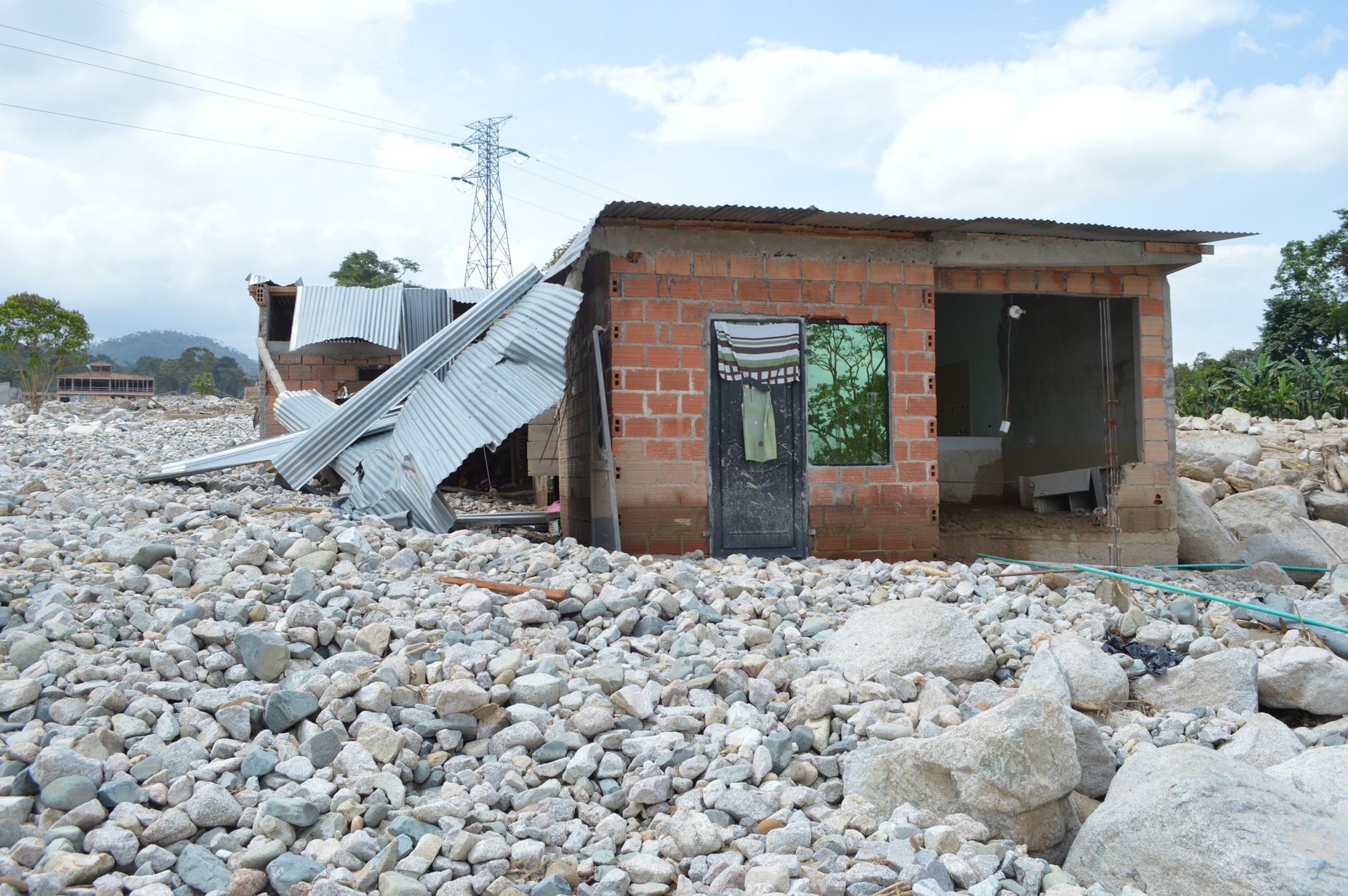
Venezuelan rescuers and international aid organizations are battling widespread hunger, chaos, and a rapidly escalating death toll following a series of devastating twin earthquakes. These catastrophic seismic events recently struck several regions across the nation. Communities lie in ruins, displacing thousands and overwhelming already strained public services. This article details the immediate aftermath, the ongoing challenges faced by survivors, and the critical global response to Venezuela’s profound humanitarian crisis.
- Devastating twin earthquakes have caused widespread destruction and a rising death toll across Venezuela.
- Survivors face acute shortages of food, clean water, and shelter, exacerbating a significant humanitarian crisis.
- International aid efforts are mobilizing, though logistical challenges persist in delivering critical supplies.
- The long-term recovery will require substantial global support to rebuild infrastructure and support affected populations.
Venezuela, a nation navigating complex socio-economic challenges, was recently rocked by a series of powerful seismic tremors. The country’s geographical location places it within an active seismic zone. This makes it susceptible to such natural disasters. While precise historical timestamps are not readily available for past significant seismic events, the region has long experienced geological activity. These recent earthquakes, however, have presented an unprecedented challenge. Their intensity and the resulting scale of destruction are particularly severe in densely populated areas.
How are rescue efforts progressing amidst the devastation?
Rescue teams, comprising local emergency services and international specialists, are working tirelessly. They are sifting through vast expanses of rubble in search of survivors. Heavy machinery is scarce in many affected zones. This forces many to rely on manual efforts and specialized canine units. Access to remote areas remains a significant hurdle. Landslides triggered by the quakes have blocked crucial roads. This severely impedes the timely arrival of assistance.
The sheer scale of the collapse has overwhelmed local capabilities. Many structures, already weakened, could not withstand the tremors. Emergency shelters are rapidly reaching capacity. Medical personnel are struggling with limited resources. They are treating a surge of injuries, from fractures to severe trauma. The focus remains on locating those still trapped. Every hour is critical in these dire circumstances.
What are the immediate humanitarian needs of earthquake survivors?
Thousands of Venezuelans have lost their homes. They are now living in makeshift camps or public spaces. Access to clean drinking water is critically limited. This poses a significant health risk. Food supplies are dwindling quickly in many areas. Children and the elderly are particularly vulnerable to hunger and exposure. Sanitation facilities are largely non-existent. This further heightens the risk of disease outbreaks. The psychological toll on survivors is also immense. Many have witnessed unimaginable loss and destruction.
Medical supplies are in urgent demand. Basic necessities like blankets, tents, and hygiene kits are also desperately needed. The sudden displacement has disrupted livelihoods. It has also separated families. Efforts are underway to reunite individuals. This process is slow and challenging. The immediate future for many remains uncertain. They face a relentless struggle for survival and stability.
How is the international community mobilizing aid for Venezuela?
Several countries and international organizations have pledged assistance. Aid shipments, including medical supplies and emergency food, are beginning to arrive. However, the logistical challenges are formidable. Navigating destroyed infrastructure and complex distribution networks proves difficult. The International Committee of the Red Cross outlines principles for effective disaster response. These principles emphasize coordination and impartial delivery. Such guidance is crucial in the current Venezuelan context.
United Nations agencies are also coordinating efforts. They are working with local authorities to assess needs. Pledges of financial support are vital. These funds enable the purchase of essential goods. They also support on-the-ground operations. The global response aims to alleviate suffering. It also seeks to prevent a secondary crisis. Sustained international attention will be necessary.
What long-term recovery challenges does Venezuela now confront?
The path to recovery for Venezuela will be extensive and arduous. Rebuilding damaged infrastructure, including homes, schools, and hospitals, will require massive investment. The economic impact of the earthquakes is profound. It has disrupted agricultural production and trade routes. Many businesses have ceased operations. This leaves countless individuals without income. The long-term economic recovery will be slow. It demands significant internal and external support.
Addressing the psychological trauma of survivors is also paramount. Mental health services will be essential for years to come. Furthermore, strengthening building codes and disaster preparedness systems is critical. This will mitigate the impact of future seismic events. The nation faces a monumental task. It must not only rebuild but also foster resilience. This will protect its citizens from future shocks.
The devastating twin earthquakes have plunged Venezuela into a profound humanitarian crisis. The immediate focus remains on saving lives and providing essential aid to survivors. However, the long-term implications are vast, encompassing economic devastation, psychological trauma, and the monumental task of rebuilding. International solidarity and sustained support will be indispensable as Venezuela navigates this challenging recovery. The resilience of the Venezuelan people, coupled with global assistance, will ultimately determine the nation’s path forward.


