
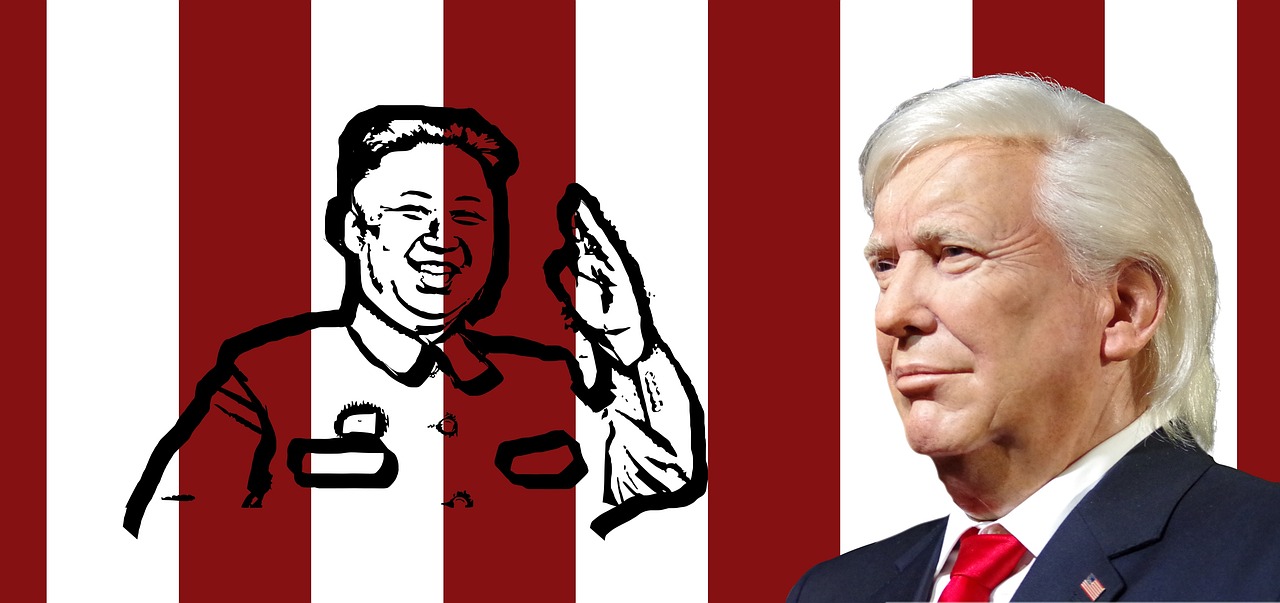
Former US President Donald Trump recently delivered pointed remarks on global security and ideological challenges during the dedication of the Theodore Roosevelt Presidential Library in North Dakota. He highlighted what he described as a record number of vessels transiting the Strait of Hormuz and identified communism as the world’s most significant threat. These statements underscore ongoing geopolitical anxieties and enduring ideological divides, offering insight into a prominent political voice’s perspective on international relations and future US foreign policy directions.
- Former US President Donald Trump cited an unprecedented volume of maritime traffic in the Strait of Hormuz.
- He characterized communism as the primary global threat during a public address.
- These remarks were made in North Dakota at the dedication of the Theodore Roosevelt Presidential Library.
- His comments reflect a continued focus on international security and ideological competition.
Context: A Presidential Legacy and Current Affairs
The dedication of the Theodore Roosevelt Presidential Library in North Dakota served as the backdrop for Mr. Trump’s recent commentary. Roosevelt, known for his ‘Big Stick’ diplomacy and expansion of American influence, provides a historical parallel for discussions on national strength and global engagement.
Mr. Trump arrived in the state aboard a train, an homage to historical presidential travel. This event drew attention to both the enduring legacy of American leadership and contemporary geopolitical challenges. His presence underscored the continued relevance of presidential voices in shaping public discourse on foreign policy.
What are the implications of increased maritime activity in Hormuz?
The Strait of Hormuz remains a critical chokepoint for global energy supplies. Approximately one-fifth of the world’s oil and a significant portion of liquefied natural gas transit through its narrow waters. Any increase in vessel traffic, as described by Mr. Trump, could signal various developments.
Such activity might indicate shifts in global trade patterns or heightened military presence. It could also reflect changing dynamics in regional energy markets. The Strait’s strategic importance makes any reported surge in activity a matter of international attention and potential concern.
Disruptions in this waterway can have immediate and far-reaching economic consequences. Geopolitical tensions in the region have historically led to fluctuations in oil prices and increased security risks. Understanding the precise nature of any reported increase is crucial for assessing global stability.
Why does Trump identify communism as the ‘biggest threat’?
Mr. Trump’s assertion that communism is the ‘biggest threat’ echoes a long-standing theme in American foreign policy. Throughout the Cold War, the United States positioned itself as a bulwark against communist expansion. This ideological stance shaped decades of international relations.
In the present day, the term ‘communism’ often serves as a shorthand for state-controlled economies and authoritarian governance. Nations like China and, to a lesser extent, Russia, are frequently viewed through this lens. Competition with these powers spans economic, technological, and military domains.
The former president’s statement suggests a continuation of this ideological framework in assessing global adversaries. It highlights a perspective that views certain state systems as inherently antagonistic to Western democratic and capitalist values. This framing influences debates on trade, human rights, and strategic alliances.
How do these statements resonate with current US foreign policy?
Current US foreign policy navigates a complex global landscape. While specific administrations may vary in their approach, core challenges persist. These include managing relations with major powers, ensuring energy security, and addressing ideological competition.
Mr. Trump’s remarks align with a perspective advocating for robust national defence and a confrontational stance towards perceived adversaries. This contrasts with, or at times complements, approaches emphasizing multilateralism and diplomatic engagement. The ongoing debate shapes how the United States projects its power and influence abroad.
Such strong pronouncements from a former president can also influence public opinion and future political campaigns. They keep specific foreign policy concerns at the forefront of national discourse. This impact extends to how allies, including Canada, perceive US priorities and intentions.
Evidence and Perspectives on Strategic Waterways
The Strait of Hormuz remains unequivocally vital for global energy transit. The U.S. Energy Information Administration (EIA) consistently highlights its role as the world’s most important oil transit chokepoint. Its strategic significance is a constant factor in international security assessments.
Reports from various maritime security agencies routinely monitor traffic through the Strait. While specific figures on ‘record boats’ require detailed verification, the overall volume of commercial and military vessels in the region is consistently high. This reflects the intense economic activity and geopolitical interests converging there.
Experts in international relations frequently emphasize the Strait’s vulnerability to geopolitical tensions. Any perceived increase in activity, whether commercial or military, warrants careful observation. It can signal either increased trade demands or escalating regional instability.
Implications for Global Stability and Canadian Interests
Mr. Trump’s statements carry significant implications for international stability. His focus on the Strait of Hormuz underscores the fragility of global supply chains and the persistent threat of regional conflicts. For Canada, a nation deeply integrated into the global economy, disruptions in key transit routes can affect energy prices and trade flows.
Furthermore, the emphasis on communism as a primary threat reinforces an ideological lens through which many international relations are viewed. This perspective can influence alliance structures and trade agreements. Canada, as a close ally of the United States, often finds its foreign policy aligned with or impacted by these overarching strategic narratives.
These discussions highlight the ongoing challenges in maintaining a stable global order. They underscore the need for vigilance in monitoring critical geopolitical flashpoints and understanding the diverse ideological currents shaping international dialogue. The interplay between historical legacies and present-day rhetoric continues to define the future of global security.


