
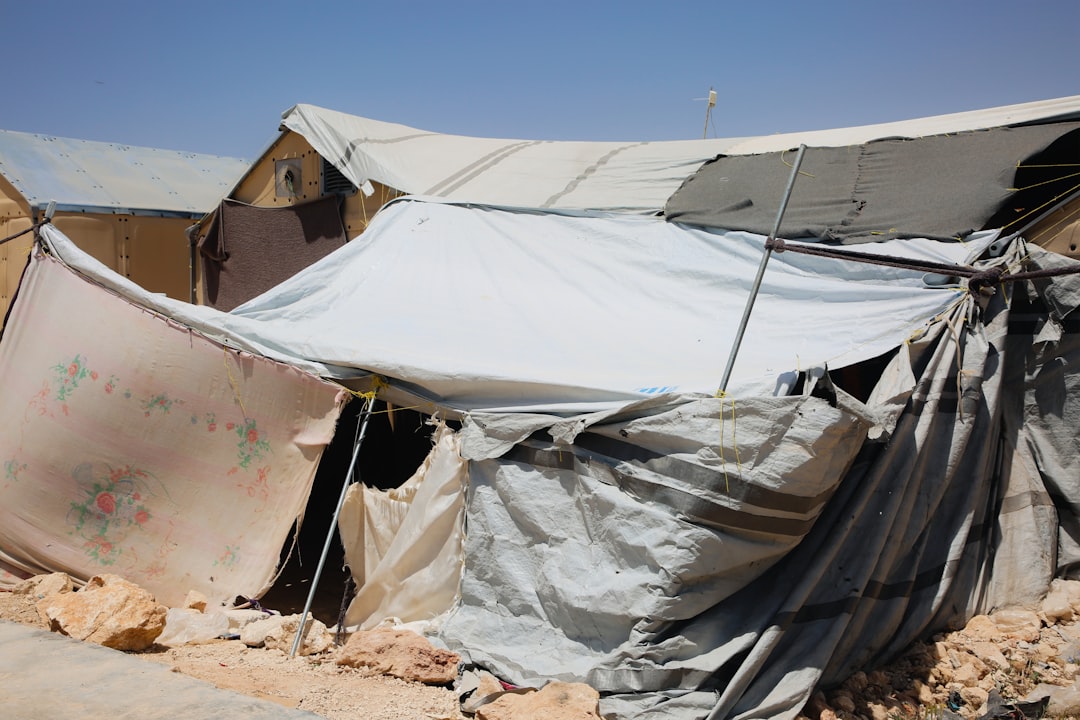
Damascus, Syria, recently experienced a series of blasts that killed one individual and wounded 36 others. These attacks occurred during a high-profile diplomatic visit by French President Emmanuel Macron, drawing immediate international attention to Syria’s volatile security landscape. President Macron, despite the incidents, continued his official engagements, asserting that Syria must not be “destabilised” by such acts. This event amplifies concerns about the ongoing challenges to regional stability and prompts a renewed focus on humanitarian and security efforts within the war-torn nation. Readers will gain insight into the immediate impact of the blasts, the international community’s response, and the broader implications for Syria’s future.
- One person was killed and 36 others sustained injuries in recent Damascus blasts.
- The explosions transpired during a diplomatic visit by French President Emmanuel Macron.
- President Macron emphasized the need to prevent further destabilisation in Syria.
- The incident underscores persistent security vulnerabilities and regional instability.
What were the immediate repercussions of the Damascus blasts?
The explosions sent shockwaves through the Syrian capital, leading to immediate emergency responses. Syrian state media confirmed the casualty figures, detailing the swift actions taken by medical and security personnel. The blasts occurred in areas that underscore the persistent threat of violence in urban centres, even years after the peak of widespread conflict.
First responders worked diligently to assist the wounded and secure the affected zones. These events highlight the daily challenges faced by civilians in areas still grappling with sporadic violence. The international community quickly condemned the attacks, reiterating calls for peace and stability.
How do international leaders view Syria’s stability?
President Macron’s decision to proceed with his visit despite the blasts sent a strong diplomatic message. His statement regarding Syria’s destabilisation reflects a broader international concern. Many global leaders consistently advocate for a political resolution to the Syrian conflict, aiming to restore lasting peace.
The incident reinforces the complex security environment in Syria, where various factions continue to operate. International bodies and foreign governments frequently express apprehension over the humanitarian situation and the potential for renewed escalations. Such attacks complicate efforts to foster reconciliation and reconstruction.
What are the ongoing security challenges in Syria?
Syria continues to contend with multifaceted security threats stemming from years of internal conflict. Remnants of various militant groups, along with regional geopolitical tensions, contribute to an unpredictable environment. Infrastructure remains vulnerable, and civilian populations often bear the brunt of these instabilities.
Border regions, in particular, face ongoing skirmishes and incursions. These persistent threats impede the return of displaced persons and hinder economic recovery initiatives. The humanitarian crisis, exacerbated by recent events, remains a significant concern for aid organizations.
Evidence and Expert Perspectives on Syrian Security
Security analysts consistently point to the fragmentation of power and the presence of numerous armed actors as primary drivers of instability. Reports from non-governmental organizations frequently document the challenges in delivering aid and ensuring civilian safety. For instance, the United Nations High Commissioner for Refugees (UNHCR) provides extensive information on the humanitarian situation and protection needs within Syria, underscoring the severe impact of ongoing insecurity on its population.
Experts suggest that without a comprehensive political settlement, localised flare-ups will likely continue. The recent Damascus blasts serve as a stark reminder of these underlying fragilities. They also highlight the critical importance of international monitoring and support for peacebuilding efforts.
What role does international diplomacy play in Syria?
High-level visits, such as President Macron’s, symbolize continued diplomatic engagement with Syria. These interactions often aim to foster dialogue, encourage de-escalation, and promote humanitarian access. Diplomacy remains a crucial tool in navigating the complex web of regional and international interests.
However, progress often faces significant obstacles due to deeply entrenched political divisions. International efforts focus on supporting UN-led peace processes and ensuring accountability for human rights violations. The long-term goal remains a stable, sovereign Syria free from internal strife and external interference.
What are the implications for regional stability?
The events in Damascus carry broader implications for the Middle East. Any significant escalation in Syria can quickly ripple across neighbouring countries, potentially reigniting regional tensions. Therefore, maintaining stability in Syria is paramount for the security of the entire region.
International partners, including Canada, have consistently called for a cessation of hostilities and respect for international law. The recent blasts underscore the urgent need for concerted global action. Such incidents reinforce the necessity for sustained diplomatic pressure to achieve a lasting and equitable peace in Syria.


