
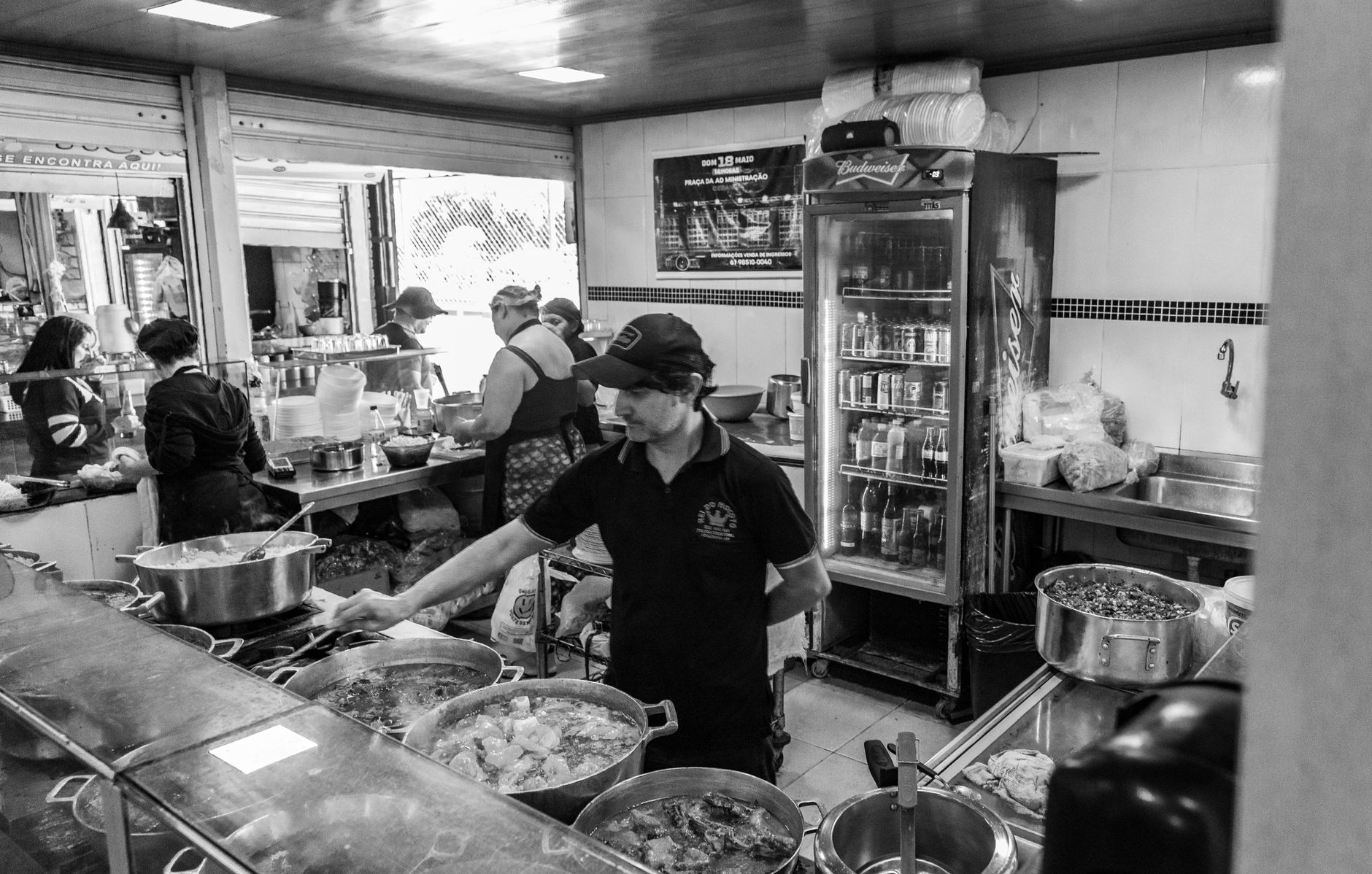
Following a devastating earthquake, volunteer medical professionals in La Guaira have rapidly transformed a fast-food restaurant into a functioning emergency clinic. This grassroots initiative highlights the resilience of local healthcare workers during severe crises. This report details how this makeshift facility operates and its impact on the broader emergency medical response in Venezuela.
- Volunteer doctors transformed an unused fast-food eatery into a functioning emergency clinic in La Guaira.
- The initiative addresses critical medical shortages caused by recent seismic activity in the region.
- This community-led model showcases innovative resourcefulness amid severe infrastructure damage.
Why Was an Alternative Medical Site Needed?
Recently, a powerful earthquake struck the coastal region of La Guaira, causing widespread structural damage to critical infrastructure. Local hospitals faced immediate overcrowding, structural instability, and severe power outages. Consequently, critical medical services became completely inaccessible to hundreds of injured residents in the immediate aftermath.
In response to this growing humanitarian crisis, local doctors and community volunteers mobilised to find alternative solutions. They identified an empty commercial building, which previously operated as a fast-food establishment, as a viable shelter. Within hours, the energetic team cleared the space to establish an organised triage centre.
How Do Volunteers Convert a Restaurant into a Medical Centre?
Converting a commercial kitchen into a sterile medical environment requires rapid planning and intense sanitisation. Volunteers thoroughly scrubbed the former dining area to create clean examination zones and prevent infections. They repurposed stainless-steel food preparation counters as sterile operating tables for performing minor surgeries.
Additionally, the team used durable plastic sheeting to partition private patient recovery areas. Local residents generously donated clean linens, basic furniture, and backup generators to secure temporary electricity. This collaborative effort allowed the makeshift clinic to begin admitting injured patients within a single day.
Currently, the facility provides basic triage, wound care, and psychological support to affected families. Pediatricians and general practitioners work in rotating shifts to maintain continuous care. Their rapid action has successfully alleviated pressure on the municipal healthcare system.
What Does Global Research Say About Informal Health Facilities?
During severe crises, informal clinics often serve as the first line of defense for vulnerable populations. Public health experts note that temporary facilities significantly reduce mortality rates by treating injuries immediately.
Indeed, rapid community mobilisations align with standard international protocols for disaster mitigation. Disaster response guidelines from the Pan American Health Organization state that local resources are vital when formal infrastructure fails.
Furthermore, local doctors report that treating patients locally minimizes dangerous transport times over damaged roads. “We had to act immediately,” stated one volunteer nurse who assisted in setting up the facility. “Our primary goal was saving lives before official state aid could arrive.”
This sentiment is shared by many community leaders who have witnessed the immediate benefits of the clinic. The project demonstrates how localized action can bypass bureaucratic delays during urgent crises.
How Will This Initiative Shape Future Disaster Relief?
This successful transformation offers a valuable template for future emergency medical response in Venezuela. It demonstrates that urban commercial spaces can serve as vital relief hubs during sudden environmental disasters.
However, long-term sustainability remains a critical challenge for informal clinics worldwide. These makeshift centres rely heavily on private donations and unpaid volunteer labour, which are difficult to maintain over extended periods.
Consequently, regional authorities are observing this model closely to improve future disaster preparedness plans. Integrating commercial spaces into official municipal emergency protocols could save critical time in future crises.
Furthermore, training local citizens in basic first aid could enhance the effectiveness of these grassroots medical hubs. Bridging the gap between spontaneous volunteerism and official emergency planning remains a key priority.
As La Guaira begins its long recovery process, the converted clinic remains a powerful symbol of community resilience. The dedication of these volunteer doctors proves that resourcefulness can overcome severe structural limitations. Moving forward, strengthening partnerships between local communities and formal health networks will be essential to building lasting disaster resilience. By supporting these organic initiatives, regions can better prepare for the unpredictable challenges of natural disasters.


