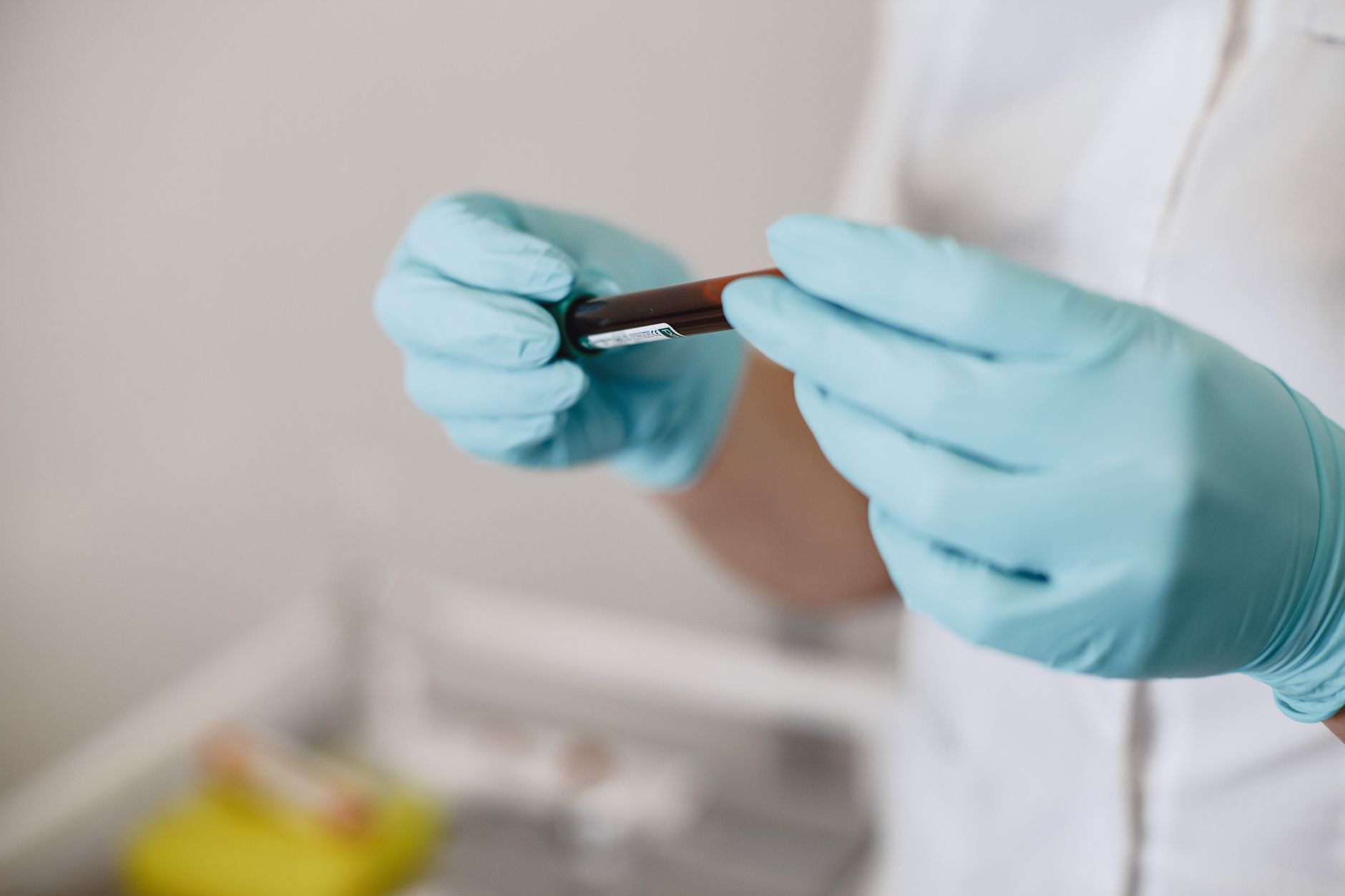
Researchers are currently evaluating a liquid biopsy for cancer recurrence. They want to determine if a simple blood test can identify returning tumours early. This innovative diagnostic method aims to catch trace amounts of circulating DNA. By detecting these microscopic signals early, oncologists hope to administer preemptive, experimental treatments. In this report, you will learn how these advanced blood tests work and their current clinical trial status.
- Liquid biopsies detect circulating tumour DNA to identify early signs of cancer returning.
- Clinical trials are evaluating whether early detection allows for successful preemptive therapies.
- This diagnostic shift could transition oncology from reactive treatment to proactive prevention.
Why is early detection of cancer recurrence so difficult?
Historically, monitoring patients for cancer recurrence relied heavily on expensive imaging scans and invasive tissue biopsies. However, these traditional methods often fail to detect microscopic cellular changes. In recent years, oncology has made massive leaps forward in therapeutic options. However, early detection of returning disease remained a stubborn challenge for clinical teams. Traditional imaging tools often miss the earliest signs of cellular regrowth. This limitation creates a critical gap in patient care. Consequently, patients often wait months for definitive answers. The emergence of blood-based diagnostics represents a major milestone in bridging this diagnostic gap. Recently, medical researchers have shifted their focus toward liquid biopsy technology. This non-invasive method analyses blood samples for genetic material shed by cancerous cells. By tracking these biomarkers, doctors can monitor a patient’s status in real time. This approach offers a much faster and safer alternative to conventional monitoring protocols.
How does a liquid biopsy detect returning cancer?
The science behind liquid biopsies relies on detecting circulating tumour DNA, often abbreviated as ctDNA. The biological mechanism is both elegant and complex. As a tumour grows, it undergoes constant cellular turnover. During this process, dying cells shed genomic material directly into the circulatory system. These fragments are known as cell-free DNA. A subset of this material contains the precise genetic mutations of the original cancer. Highly sensitive laboratory assays can detect even a single mutated fragment among billions of healthy cells. This incredible sensitivity allows doctors to identify signs of recurrence at an incredibly early stage. Specialised laboratory equipment can isolate these fragments from a standard blood draw. Advanced genomic sequencing then identifies mutations specific to the patient’s original tumour. If the test detects these mutations, it signals that cancer cells are still active in the body. This warning often occurs months before a physical tumour becomes visible on an MRI or CT scan. Consequently, this early warning window gives oncologists a critical head start. They can address the threat before the disease spreads further.
Can early intervention prevent a full relapse?
The primary goal of identifying early recurrence is to alter the patient’s treatment plan immediately. Currently, patients with positive liquid biopsy results are being enrolled in targeted clinical trials. These trials evaluate whether immediate, experimental therapies can eradicate the remaining microscopic cancer cells. This proactive approach aims to prevent the disease from establishing a foothold. According to clinical guidelines from the National Cancer Institute, early detection allows for highly personalised therapeutic strategies. These strategies often involve targeted therapies or immunotherapies tailored to the specific genetic mutations found in the blood. If successful, this method could significantly improve long-term survival rates. It transforms how doctors manage post-remission care.
What does the current clinical research show?
Oncologists worldwide are expressing cautious optimism regarding these ongoing clinical trials. Early data suggests that ctDNA monitoring is highly sensitive and specific. In several recent observational studies, untreated patients who tested positive for ctDNA experienced higher recurrence rates. Conversely, those with undetectable ctDNA levels remained in remission much longer. However, challenges still remain regarding the widespread adoption of these tests. Standardising laboratory protocols across different healthcare systems is a complex task. Additionally, researchers must prove that early intervention actually extends life expectancy. Simply treating a patient sooner must lead to better overall health outcomes.
How will this change patient care in Canada?
For cancer survivors, the fear of recurrence is a constant psychological burden. Implementing routine blood tests could provide invaluable peace of mind or clear, actionable next steps. Furthermore, this technology could reduce the financial strain on provincial healthcare systems. Preventing a full relapse is far less costly than treating advanced, metastatic disease. Medical institutions across Canada are closely monitoring these international trial results. Integrating these tests into standard post-treatment care could soon become a reality. As researchers gather more clinical evidence, the path forward becomes clearer. Proactive monitoring will likely replace the stressful period of waiting for symptoms to reappear.
Ultimately, the integration of liquid biopsies represents a profound paradigm shift in modern oncology. By transforming cancer monitoring into a proactive, preventative science, healthcare providers can intervene long before tumours regain control. As clinical trials yield more definitive data, these simple blood tests may soon offer patients a vital shield. This technology could redefine the very nature of cancer survivorship.