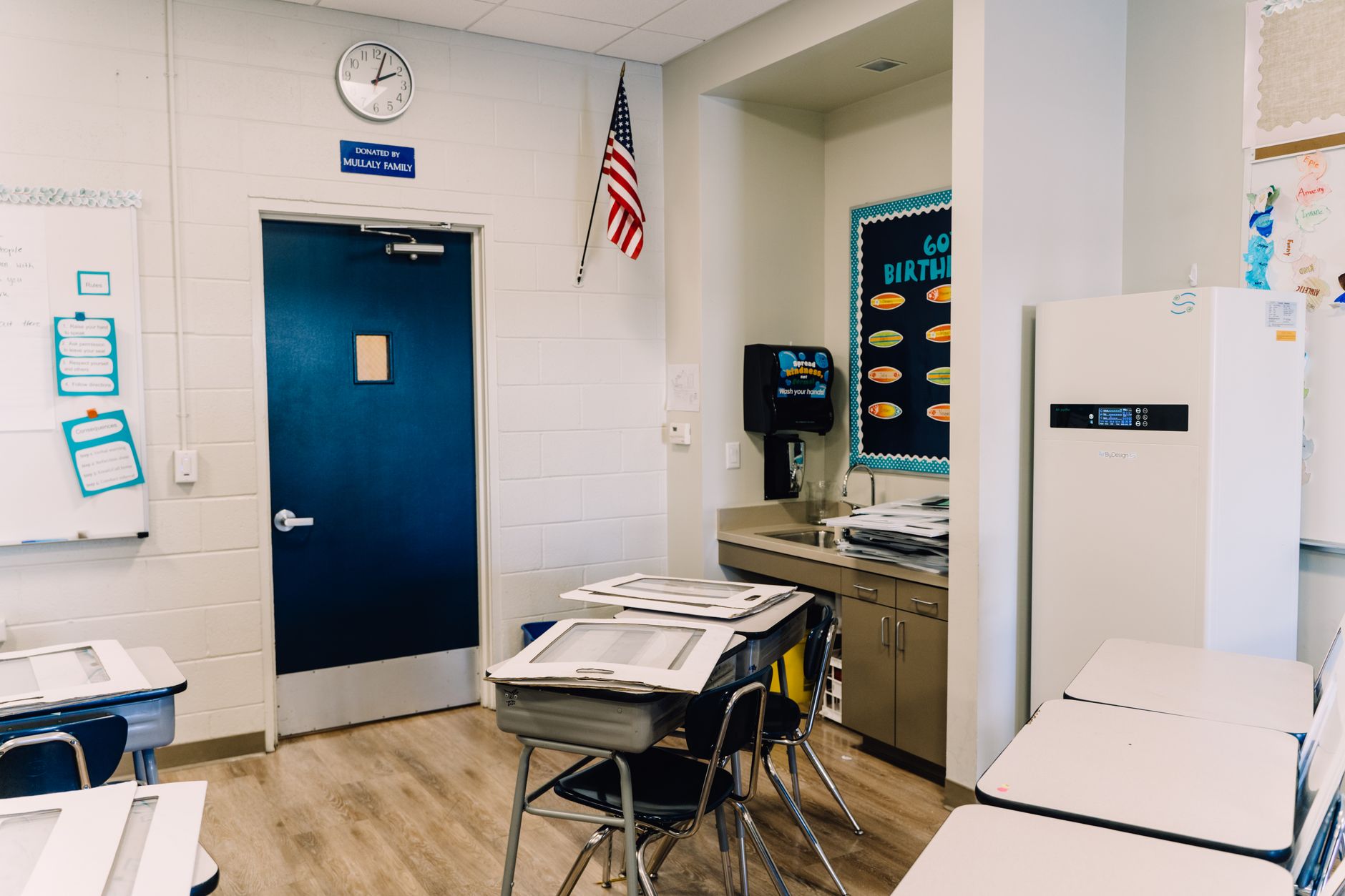
The Alberta government has officially paused its controversial programme to limit classroom displays and mandate daily anthems. This Alberta school flag restrictions delay pauses rules originally slated for implementation late last year under Premier Danielle Smith’s administration. Readers will learn about the reasons behind this pause, its local impact, and future provincial education standards.
- The provincial government has paused the implementation of new guidelines regarding classroom flags and national anthem mandates.
- The policy was initially introduced to remove political ideology from Alberta classrooms and foster civic honour.
- School divisions across the province are seeking clearer operational directives during this transition period.
What is the context behind the policy shift?
The proposed legislation emerged from a broader provincial effort to standardise classroom environments. Government officials previously argued that restricting non-official flags would minimise political distractions for students. Additionally, the policy aimed to enforce a daily singing of the national anthem to foster civic honour.
However, school administrators raised immediate concerns regarding local autonomy and logistical execution. Consequently, the education ministry opted to defer the rollout to allow for deeper consultations. This decision followed months of intense debate among parents, teachers, and school board trustees.
Many critics argued that the rules were unnecessary. They believed the guidelines infringed on the authority of local school leadership.
Why is the Alberta school flag restrictions delay happening now?
Implementing provincial mandates across diverse school divisions requires significant logistical coordination. Education officials recently acknowledged that school boards needed more time to align their local policies with the provincial directive.
Furthermore, legal and advocacy groups raised questions about potential challenges to freedom of expression. This pause allows government lawyers to review the draft guidelines to ensure compliance with existing Canadian legal frameworks.
This careful review aims to prevent costly legal battles for the province. It also ensures that any future rules respect constitutional boundaries.
How are local school boards responding to the pause?
Many trustees have welcomed the decision to delay the restrictions. The pause grants local authorities the flexibility to manage their classrooms without immediate threat of provincial penalties.
For instance, some urban school divisions have active diversity policies that conflict with the proposed flag limits. According to official guidelines on the Alberta Ministry of Education portal, the province remains committed to collaborative policy development.
This collaborative approach aims to prevent sudden disruptions to the learning environment. Administrators can now focus on curriculum delivery while negotiations continue behind closed doors.
How does this delay affect teachers and students?
For classroom teachers, the delay offers immediate relief from administrative confusion. Many educators were unsure how to implement the daily anthem mandate without disrupting morning schedules.
The pause allows teachers to focus entirely on academic delivery and student well-being. Students will also experience a more stable learning environment without sudden changes to classroom decor.
Inclusive spaces and supportive symbols will remain in place for the time being. This stability is particularly important for vulnerable student populations who value these visual cues.
What do education experts say about the policy shift?
Policy analysts suggest that top-down educational mandates often face resistance without grassroots support. School boards operate under unique regional contexts that standard provincial templates rarely accommodate.
One senior policy researcher noted that policy implementation succeeds when local educators feel heard. Observers point out that previous educational reforms in Western Canada faced similar delays due to administrative pushback.
This delay reflects a growing recognition that classroom management is highly sensitive. Striking a balance between provincial oversight and local governance remains a delicate task.
In recent quarters, public polling indicated mixed feelings among Alberta residents regarding school neutrality laws. While some parents support strict limits on classroom displays, others view these rules as overreach.
What does this delay mean for the future of Alberta classrooms?
The temporary halt suggests that the provincial government may revise the strictness of the flag ban. School divisions will likely retain their current display policies for the foreseeable future.
However, the underlying legislative intent to regulate classroom symbolism has not disappeared. Parents and educators should expect revised draft guidelines to emerge later this year.
Ultimately, this delay provides a crucial window for constructive dialogue between stakeholders. The final framework will likely shape the boundaries of classroom expression for years to come. School boards now have a unique opportunity to present alternative solutions that protect student inclusivity and provincial standards.