
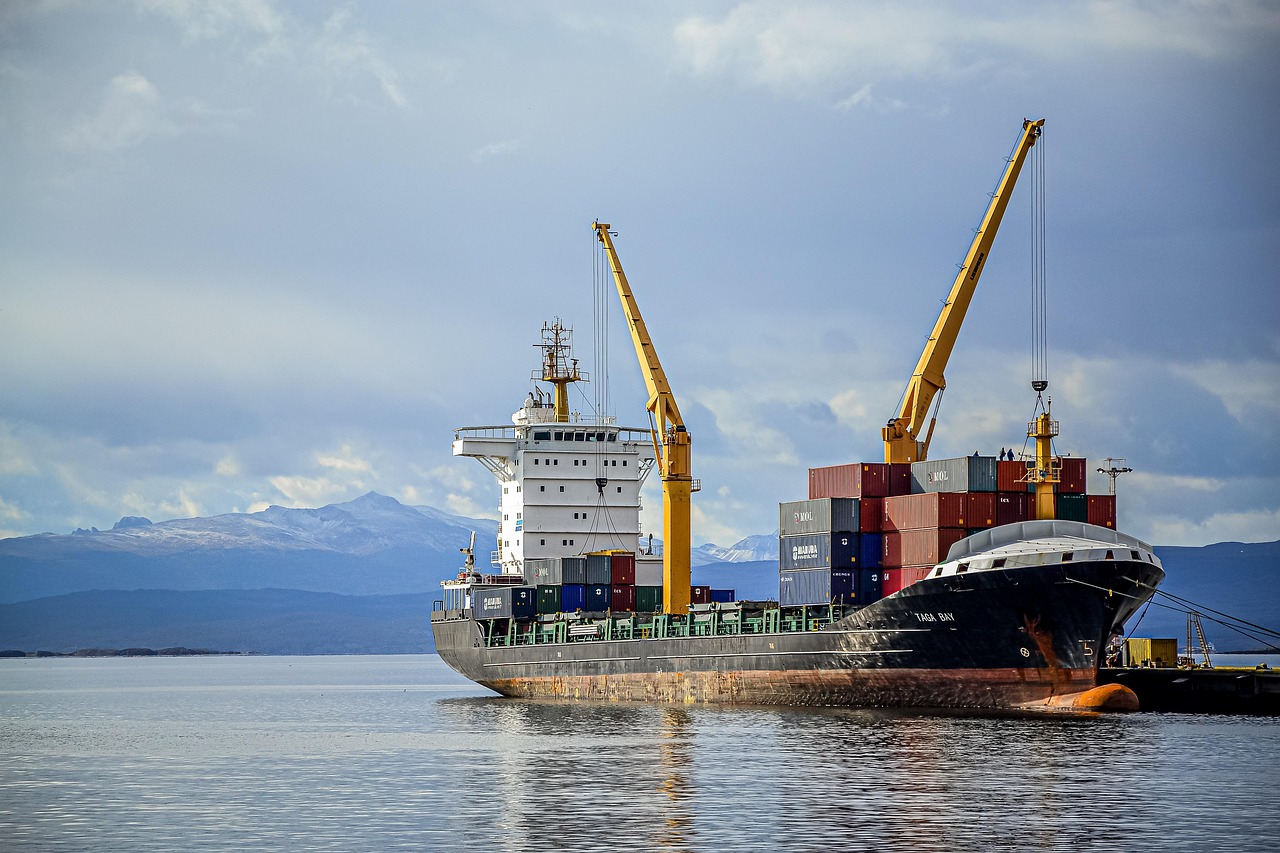
In May 2026, international shipowners are reporting a significant increase in vessel traffic through the Strait of Hormuz as the United States military expands its maritime information-sharing initiatives. This strategic coordination provides commercial fleets with real-time security data, allowing vessels to navigate the world’s most critical energy chokepoint with renewed safety. By offering precise navigational aid and threat assessments, the U.S. is effectively lowering the risk profile for global shipping companies operating in the Middle East.
Key Takeaways:
- Enhanced U.S. information sharing has led to a 15% increase in weekly ship passages.
- Real-time data feeds are helping shipowners secure lower maritime insurance premiums.
- Coordinated security protocols are stabilizing global energy supply chains in early 2026.
This article explores how the latest security frameworks are impacting the Strait of Hormuz ship passages and what this means for global trade. You will learn about the specific technologies used to protect tankers and the economic implications for energy markets.
Why is maritime traffic increasing in the Strait of Hormuz?
The recent uptick in vessel movements stems from a shift in how the U.S. Navy interacts with commercial fleets. Rather than just physical patrols, the focus has moved toward digital transparency and proactive communication. Shipowners now receive granular updates regarding regional activity, which reduces the uncertainty that previously kept vessels at anchor.
Data from port authorities shows that more tankers are departing regional hubs this week than in any period over the last quarter. This optimism is contagious across the industry. When one major carrier successfully completes a transit using U.S. data, others quickly follow suit. This chain reaction is vital for maintaining the flow of global commerce.
How U.S. intelligence sharing protects global supply chains
The primary mechanism for this recovery is the integration of advanced satellite monitoring and shore-to-ship data links. The U.S. provides vessels with a “common operating picture” of the waterway. This allows captains to make informed decisions about their speed and heading. By avoiding potential friction points, ships can maintain their schedules without costly delays.
The U.S. Energy Information Administration identifies the Strait of Hormuz as the most important oil transit point globally. Because nearly one-fifth of the world’s oil passes through this narrow stretch, any increase in traffic stability has immediate effects on global market prices. The current cooperation model serves as a blueprint for other contested maritime corridors.
“The transparency provided by these information-sharing protocols has fundamentally changed our risk assessment for the region,” says a senior operations manager at a major European shipping line.
What are the economic impacts for shipowners and consumers?
For shipowners, the most immediate benefit is the reduction in operating costs. Insurance underwriters often hike “war risk” premiums when tensions rise or information is scarce. With the U.S. providing a verifiable security blanket of information, these premiums are beginning to stabilize. These savings eventually trickle down to the consumer level by reducing the landed cost of fuel.
Furthermore, the increased frequency of passages improves the efficiency of global tanker rotations. Ships no longer spend days waiting for security clearances or escorted convoys. This streamlined process ensures that refineries in North America and Asia receive consistent crude oil deliveries. This consistency is crucial for preventing price spikes at the pump in Canada and beyond.
Advanced monitoring and the future of maritime safety
The success of the current initiative relies on a network of unmanned sensors and artificial intelligence. These systems track every vessel in the strait, identifying anomalies that could signal a safety risk. When the U.S. shares this filtered data with commercial partners, it creates a transparent environment where illicit activity is easily spotted. This technological edge acts as a powerful deterrent against interference.
Industry experts believe this level of cooperation will become the standard for 2026 and beyond. By treating maritime security as a shared data challenge, the international community can ensure the freedom of navigation. The focus is no longer just on hardware, but on the speed and accuracy of the information provided to mariners.
As we move through the second quarter of 2026, the continued rise in Strait of Hormuz ship passages signals a maturing of maritime security strategies. Shipowners who leverage these U.S.-backed information streams are finding themselves at a competitive advantage. Maintaining this flow of data will be essential for global energy security and the continued health of the international shipping industry.


