
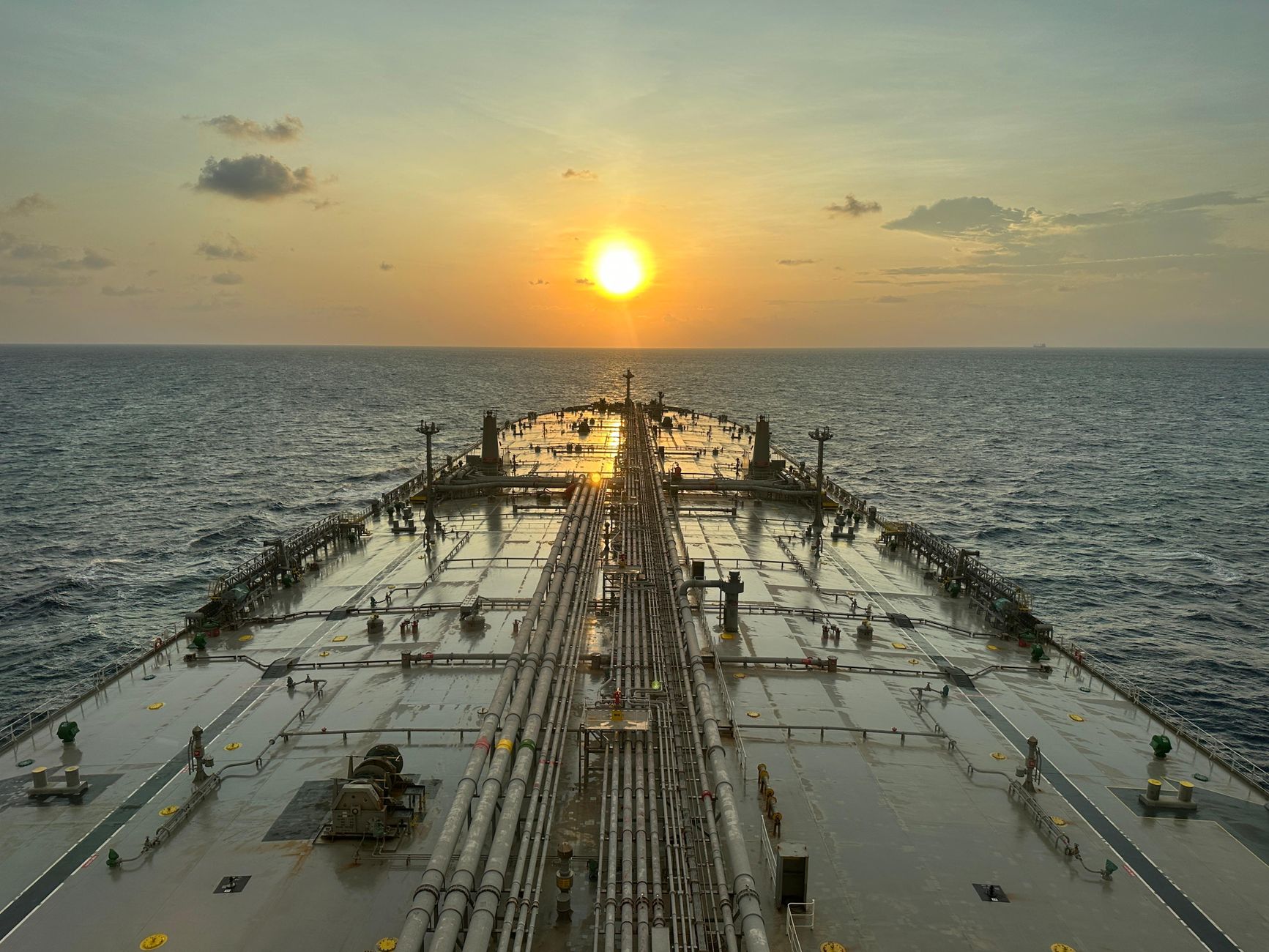
In a significant diplomatic breakthrough this Tuesday, Pakistani officials announced that the United States and Iran are within 24 hours of finalizing an interim maritime agreement. This deal aims to stabilize the Strait of Hormuz following weeks of naval skirmishes that disrupted global shipping lanes. Readers will learn about the specific terms of this 2026 de-escalation and how the U.S.-Iran maritime security agreement impacts international energy prices. The deal represents a critical pivot point for Middle Eastern stability and global trade security.
- An interim deal to reopen the Strait of Hormuz is expected within 24 hours.
- The agreement follows localized military skirmishes between U.S. and Iranian forces.
- Global oil markets have already begun reacting to the news with increased price stability.
- Pakistan served as the primary mediator for these high-stakes negotiations.
How did the Strait of Hormuz crisis reach a breaking point?
The current tension in the Strait of Hormuz intensified after a series of tactical naval encounters in early 2026. These skirmishes involved drone deployments and brief vessel detentions that raised insurance premiums for commercial tankers. The Strait remains the world’s most important oil chokepoint, with nearly 20% of global petroleum consumption passing through it daily. Any disruption to this waterway immediately impacts global supply chains and energy costs in North America.
Diplomatic channels remained strained for months as both nations increased their military presence in the region. Washington cited the need to protect freedom of navigation for international commerce. Meanwhile, Tehran maintained its right to patrol its territorial waters against foreign interference. The sudden involvement of Pakistan as a neutral mediator provided the necessary bridge to restart stalled negotiations.
What are the specific terms of the interim maritime deal?
The proposed interim agreement focuses on immediate de-escalation and the establishment of a “hotline” for naval commanders. According to Pakistani diplomatic sources, the deal includes a temporary freeze on naval exercises within contested zones. Iran has reportedly agreed to ensure the unhindered passage of commercial vessels in exchange for limited sanctions relief. This relief specifically targets the export of non-military technological goods to help stabilize the Iranian domestic economy.
The International Maritime Organization sets the global standards for safety and security in international shipping that this new protocol will likely follow. By aligning with established international norms, both parties hope to reduce the risk of accidental military engagement. This framework provides a structured path toward a more comprehensive long-term nuclear and security treaty.
“The speed of this resolution suggests that both Washington and Tehran recognize the unsustainable cost of a full-scale maritime conflict in 2026.”
What does this mean for global energy markets and consumers?
Energy analysts suggest that a finalized deal could lead to a significant drop in crude oil volatility. Market speculators had previously priced in a “conflict premium” due to the threat of a total blockade of the Strait. If the agreement holds, Canadian gas prices could see a stabilization during the peak summer travel season. Shipping companies are also expected to lower the war-risk surcharges currently applied to cargo passing through the Persian Gulf.
Data from the second quarter of 2026 shows that maritime insurance rates spiked by 40% during the peak of the skirmishes. A successful reopening of the waterway would likely reverse these costs over the next fiscal month. This economic relief is a primary driver for the White House as it seeks to curb domestic inflation. For Tehran, the deal offers a much-needed reprieve from the tightening grip of international financial pressure.
How will the agreement be monitored and enforced?
Verification remains the most challenging aspect of any agreement between the United States and Iran. The interim deal reportedly includes provisions for third-party monitoring of ship movements in the Strait. Pakistan may play a role in hosting a joint coordination centre to manage communications between the two navies. This neutral oversight is intended to prevent minor tactical misunderstandings from escalating into regional theatre-wide conflicts.
Military experts remain cautious about the longevity of the deal given the history of regional volatility. However, the involvement of major regional stakeholders suggests a broader desire for a return to commerce-focused diplomacy. The next 24 hours are critical for finalizing the technical language of the document. If signed, the agreement will mark the most significant diplomatic achievement in the region in over a decade.
The successful implementation of this maritime protocol could pave the way for broader discussions on regional security. By focusing on the immediate economic necessity of safe shipping, both nations have found a rare area of mutual interest. Stakeholders across the globe will be watching the Strait closely as the first commercial tankers prepare to move under the new safety guidelines. This shift toward pragmatism offers a renewed sense of stability for the international community heading into the latter half of 2026.


