
A rapid escalation in the Middle East has triggered a global energy crisis following a sudden Strait of Hormuz closure. The shutdown occurred after United States forces struck Iranian targets for the third time in a week. In response, retaliatory strikes hit at least five neighbouring Arab nations, severely destabilising regional security. Readers will learn about the unfolding military confrontation and its immediate impacts on international oil markets.
- U.S. forces conducted their third airstrike against Iranian targets within a single week.
- Tehran retaliated by attacking five Arab nations and shutting down the critical Strait of Hormuz.
- Global energy markets face immediate supply disruptions as shipping lanes remain blocked.
The Strait of Hormuz is the world’s most critical energy chokepoint. It separates Iran from the Arabian Peninsula. A massive volume of global petroleum passes through this narrow waterway daily. Historically, any disruption here threatens international economic stability. Recently, tensions between Washington and Tehran reached a dangerous boiling point. This latest maritime blockade represents a severe escalation in regional hostilities.
Why Is the Strait of Hormuz Closure Destabilising Global Markets?
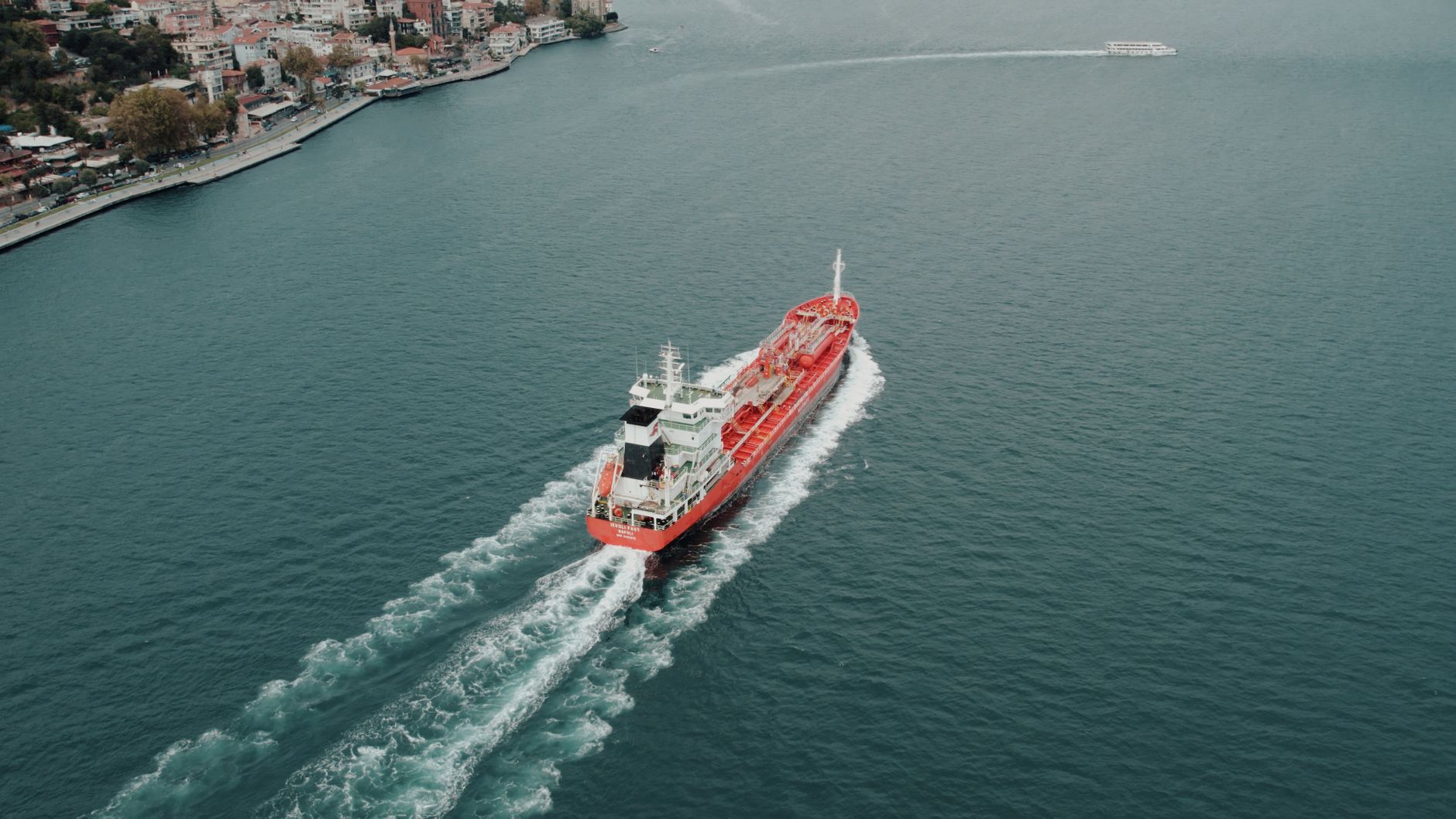
Global energy markets reacted instantly to the sudden blockade. Crude oil prices surged within minutes of Tehran’s official announcement. Shipowners are now diverting vessels away from the Persian Gulf. The U.S. Energy Information Administration statistics on global transit chokepoints show this passage handles twenty percent of global petroleum. Alternative shipping routes remain highly limited and expensive. Consequently, maritime insurance rates for tankers have skyrocketed. Energy analysts warn of prolonged supply chain disruptions if the closure persists.
The Threat of Prolonged Supply Disruptions
Market analysts predict that oil prices could reach record highs if the blockade lasts over a month. Many refineries in Europe are not equipped to process alternative crude grades easily. This mismatch could lead to localised fuel shortages across the continent. Additionally, the disruption affects global supply chains for manufacturing. A lack of energy resources will slow down industrial production worldwide.
In addition to oil, liquefied natural gas shipments are severely affected. Several major Asian economies rely heavily on Qatari gas. These shipments must pass through the strait to reach their destinations. Without this supply, countries like Japan face immediate energy shortages. They are already looking for alternative suppliers in North America.
How Are Regional Powers Responding to the Escalation?
The conflict is no longer confined to U.S. and Iranian forces. Retaliatory strikes have struck five Arab nations. These regional partners of the West now face heightened security threats. Local defence ministries have placed their military forces on high alert. Meanwhile, regional leaders are calling for urgent diplomatic intervention. They seek to prevent a broader regional war. However, diplomatic channels remain highly strained at this moment.
Diplomatic Efforts Behind Closed Doors
United Nations officials are attempting to broker an emergency ceasefire. However, both sides have rejected initial proposals. The international community remains deeply divided on the issue. Some nations call for immediate military action to clear the shipping lanes. Others urge maximum restraint to avoid a global conflict.
Neighbouring countries are actively coordinating their defence strategies. Joint military exercises are underway to protect vital infrastructure. Desalination plants and oil terminals require constant protection. Any successful strike on these facilities would cause catastrophic damage. Therefore, air defence systems are operating at maximum capacity. Governments are also rationing fuel supplies as a precautionary measure.
How Is the Shipping Industry Adapting to the Crisis?
Global logistics companies are scrambling to rewrite their routes. Many have suspended all bookings through the Persian Gulf. Instead, they are routing ships around the Cape of Good Hope. This alternative route adds thousands of miles to the journey. It also increases fuel consumption and crew costs significantly. Consequently, global shipping capacity has dropped sharply. Consumers will ultimately bear these extra costs through higher retail prices.
What Are the Economic Implications for Canada and the West?
As an energy exporter, Canada occupies a unique position during global supply shocks. Higher crude prices may temporarily boost Canadian oil revenues. However, the broader domestic economy faces severe inflationary pressures. Rising fuel costs will quickly increase transportation expenses for goods. Canadian consumers will likely see higher prices at the pump. Furthermore, stock markets in Toronto and New York have experienced sharp volatility. Economists fear prolonged instability could trigger a wider global slowdown.
Central banks are monitoring the situation very closely. Rising energy prices could complicate efforts to control inflation. If inflation spikes, interest rates may remain elevated for longer. This scenario would hurt consumers already struggling with high living costs. Business investment may also slow down due to increased uncertainty. Global trade agreements are facing unprecedented stress tests.
Security Dynamics and the Military Outlook
Naval forces in the region are currently reinforcing their positions. The United States military has deployed additional assets to the area. Their goal is to protect international shipping lanes. Yet, clearing the strait remains a highly complex tactical challenge. Tehran has deployed advanced anti-ship missiles along its coastline. They also possess numerous fast-attack boats and naval mines. These defensive measures make any forced reopening extremely risky.
The coming days will test international resolve. Global leaders must balance military deterrence with careful diplomacy. For now, the shipping industry must adapt to a highly volatile environment. Rerouting tankers around Africa remains the only viable alternative. This detour adds significant time and cost to global trade. The situation remains highly fluid as military commanders assess their next moves. Stabilising the region requires a coordinated international response.


