On November 14, 2026, rescue teams in the southern Philippines intensified efforts to locate survivors following a devastating magnitude 7.2 earthquake that struck the island of Mindanao. The death toll reached 37 as of early Tuesday morning, with the majority of casualties and structural damage concentrated in General Santos, a city of approximately 720,000 people. This report covers the ongoing humanitarian response, the geological risks involved, and the long-term Mindanao earthquake recovery strategies for the region.
“The priority remains life-saving operations in the urban core where multi-storey buildings suffered significant structural failure,” stated a regional disaster response officer.
- Confirmed fatalities have reached 37, with over 450 reported injuries across the Soccsksargen region.
- General Santos City faces a critical infrastructure crisis due to several commercial building collapses.
- Seismologists warn of potential aftershocks exceeding magnitude 5.5 throughout the coming week.
How is the rescue operation progressing in General Santos?
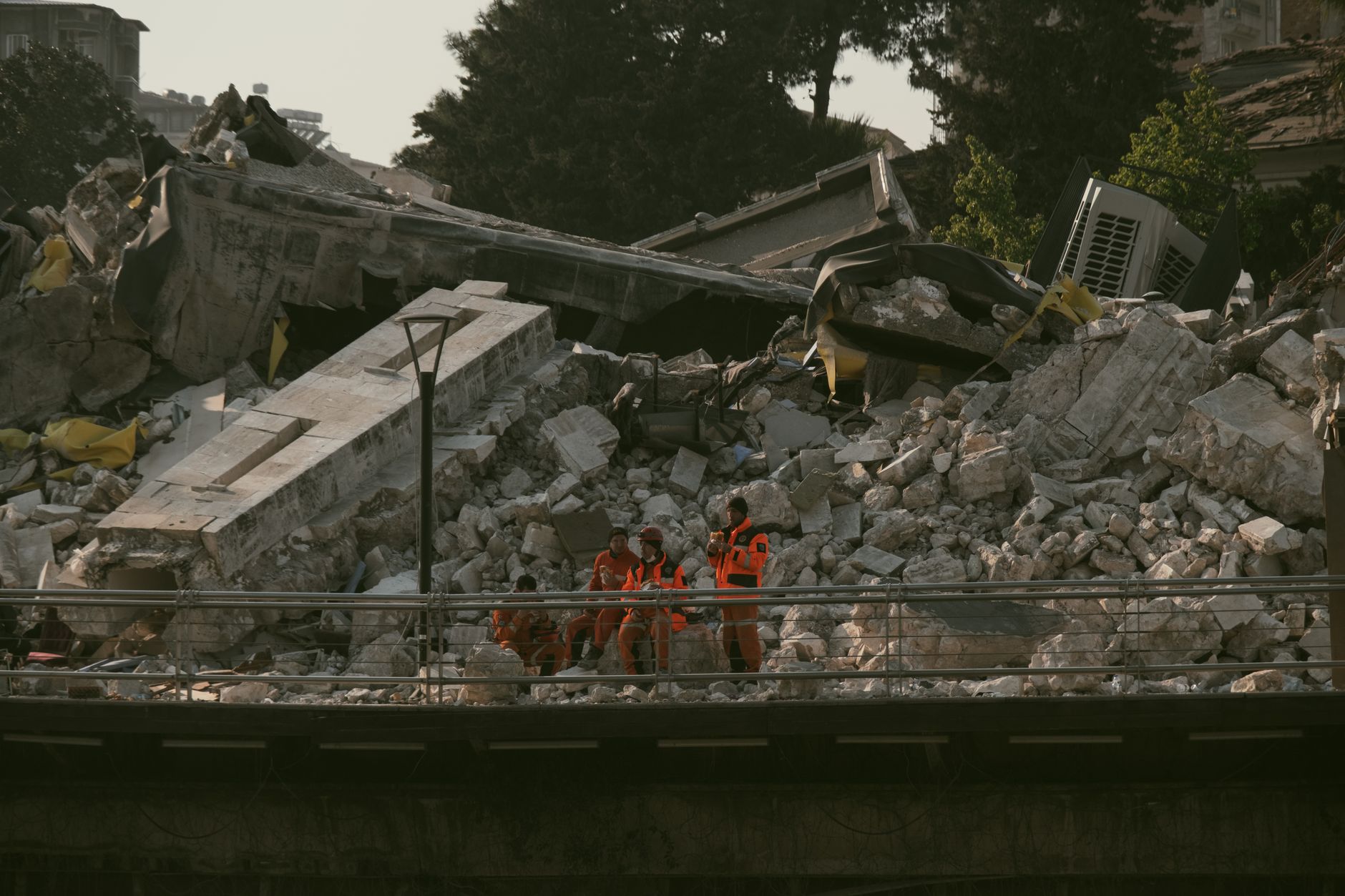
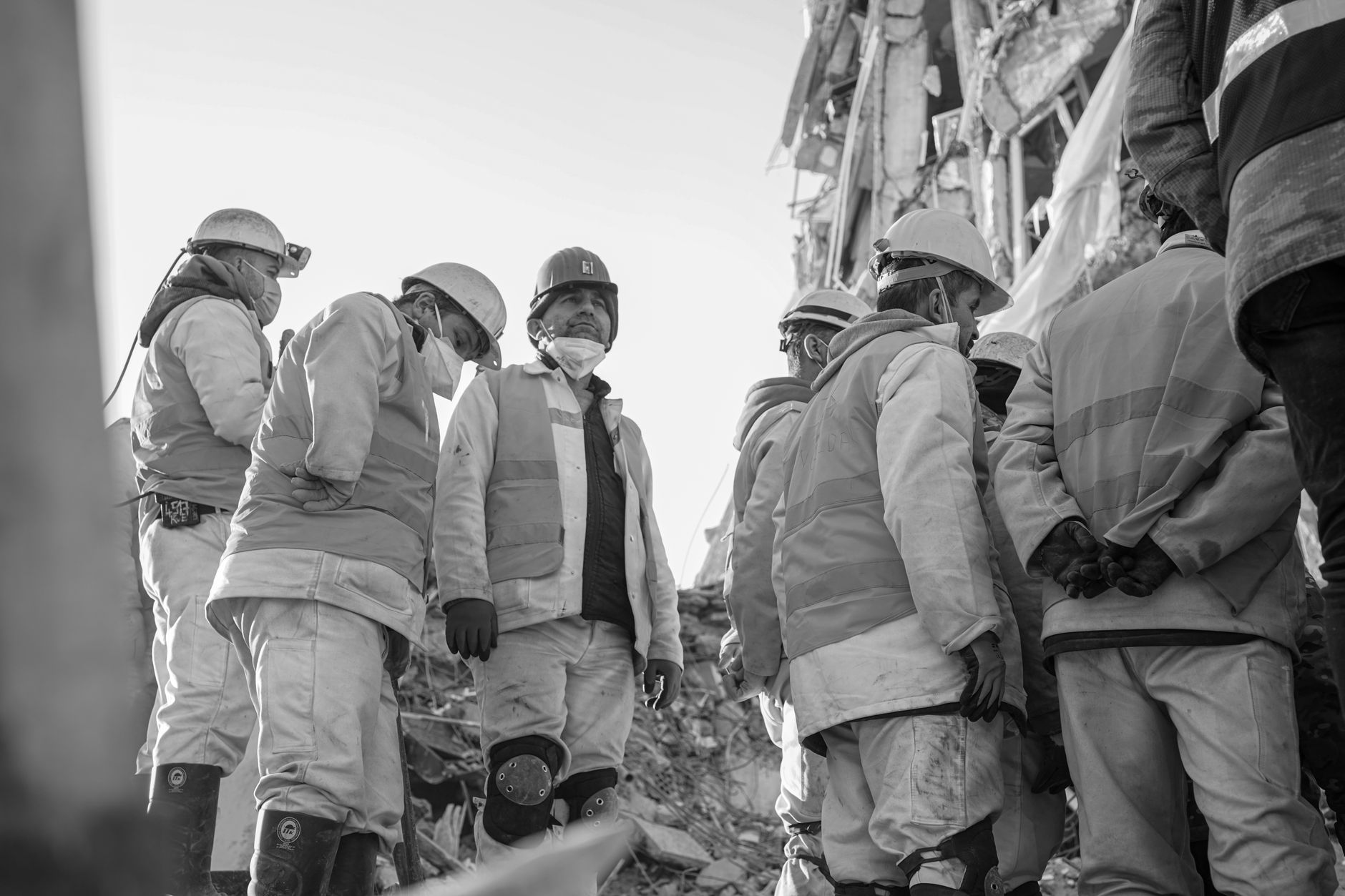
First responders are currently focusing on four major commercial sites in central General Santos where employees are believed to be trapped. The earthquake struck during peak morning business hours, which complicated the evacuation of shopping centres and office blocks. Local fire departments and military units are using advanced acoustic sensors to detect signs of life beneath the heavy concrete rubble.
Intermittent heavy rainfall in the region has slowed the clearance of debris and raised concerns about secondary landslides in the surrounding highlands. Emergency shelters have been established in public parks and school grounds to house thousands of displaced residents. Local authorities have declared a state of calamity to facilitate the immediate release of emergency relief funds.
What are the seismic risks for the Soccsksargen region?
The southern Philippines sits atop a complex network of fault lines, including the Cotabato Trench and various segments of the Mindanao Fault. This recent event represents the most significant seismic activity recorded in the area since the 2019 earthquake series. Geologists note that the shallow focal depth of this quake intensified the surface shaking felt in densely populated coastal areas.
Data provided by the Philippine Institute of Volcanology and Seismology (PHIVOLCS) indicates that the region remains under high tectonic stress. Experts are currently monitoring ground deformation to determine if the main shock has triggered movements in adjacent fault segments. Continuous monitoring is essential as the community braces for the possibility of strong aftershocks that could further weaken compromised structures.
How has the earthquake impacted local infrastructure and the economy?
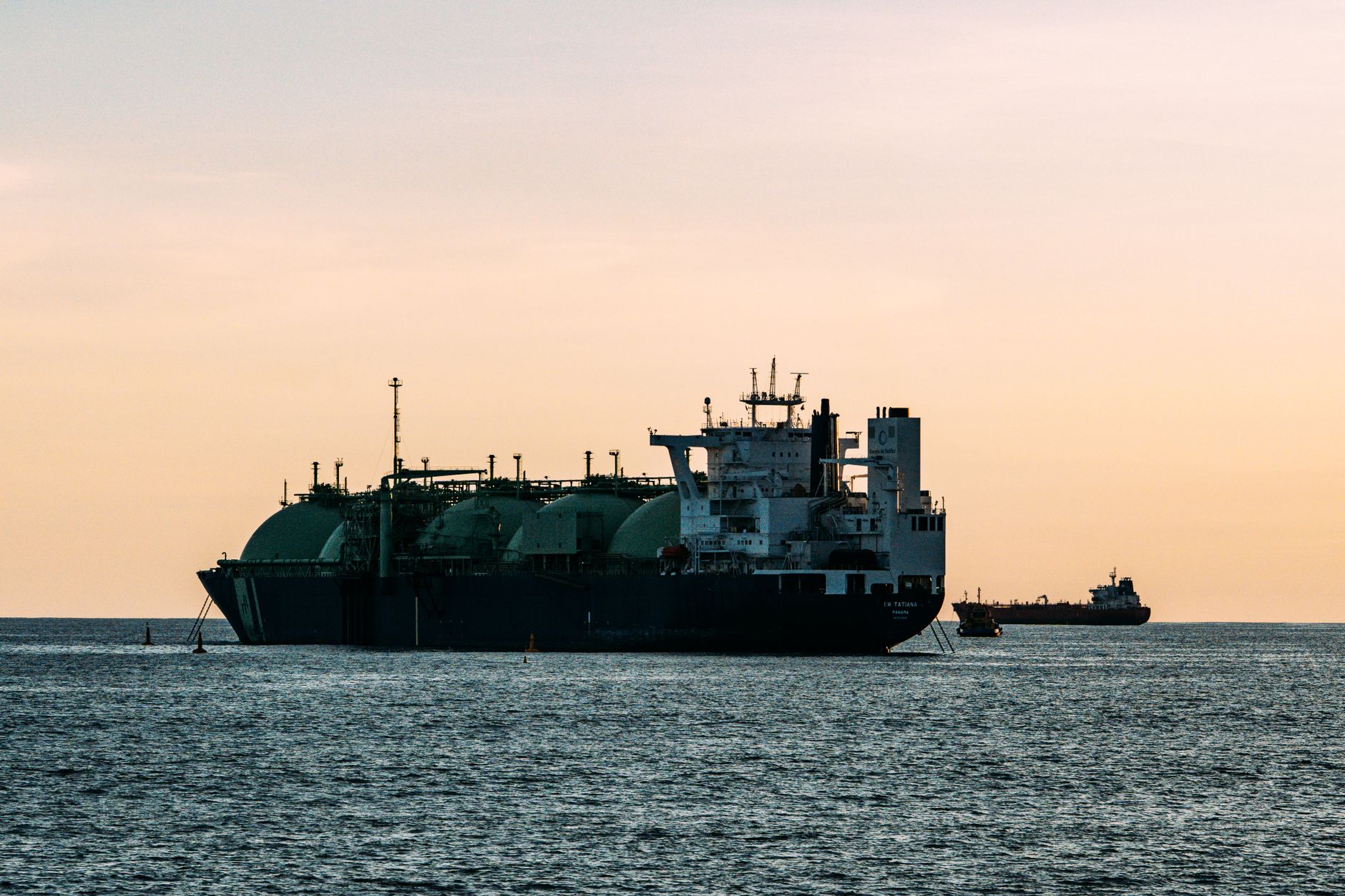
General Santos is recognized as the tuna capital of the Philippines, and its port facilities are vital for both local and international trade. Initial assessments suggest that while the main deep-water piers remain functional, several processing plants have suffered structural cracks and equipment damage. These disruptions may impact global supply chains for several months, affecting local employment and export revenues.
The city’s power grid remains unstable, with technicians working around the clock to restore high-voltage transmission lines. Water systems have also been compromised in several districts, leading to an urgent need for potable water deliveries. Telecommunications companies are deploying mobile cell sites to restore connectivity in the hardest-hit neighbourhoods to help families locate missing relatives.
How is the healthcare system managing the influx of patients?
Hospitals in General Santos are currently operating at over 150 percent capacity, with triage tents set up in parking lots to manage the overflow. Medical supplies, including blood units and orthopaedic equipment, are being airlifted from Manila and Cebu to support the local response. Doctors have reported a high volume of crush injuries and respiratory issues related to dust inhalation from collapsed concrete.
The regional trauma centre sustained minor damage but remains operational, serving as the primary hub for critical surgeries. Volunteer medical teams from across the archipelago are arriving to relieve local staff who have worked continuously since the initial tremor. This surge in demand has highlighted the need for more robust regional medical hubs outside of the capital region to handle large-scale disasters.
What does this mean for future building standards in Mindanao?
This disaster highlights the urgent need for stricter enforcement of the National Building Code in rapidly growing southern cities. Many of the structures that failed were older commercial buildings that had not undergone recent seismic retrofitting. Urban planners are now calling for a comprehensive safety audit of all high-rise structures across Mindanao to prevent similar tragedies in the future.
Investing in early warning systems and public education remains a cornerstone of the national disaster risk reduction program. Communities that participated in regular earthquake drills reported lower casualty rates in residential areas compared to those without active programs. Moving forward, the focus will shift from immediate relief to building more resilient urban environments that can withstand the region’s inevitable seismic activity.
As the search for survivors continues, the resilience of the local community is being tested by both physical destruction and economic uncertainty. International aid agencies have begun arriving to support the Department of Social Welfare and Development in providing long-term psychological and material support. Residents should remain vigilant, keep emergency kits prepared, and follow official updates from local disaster councils to ensure safety during the ongoing recovery phase.