
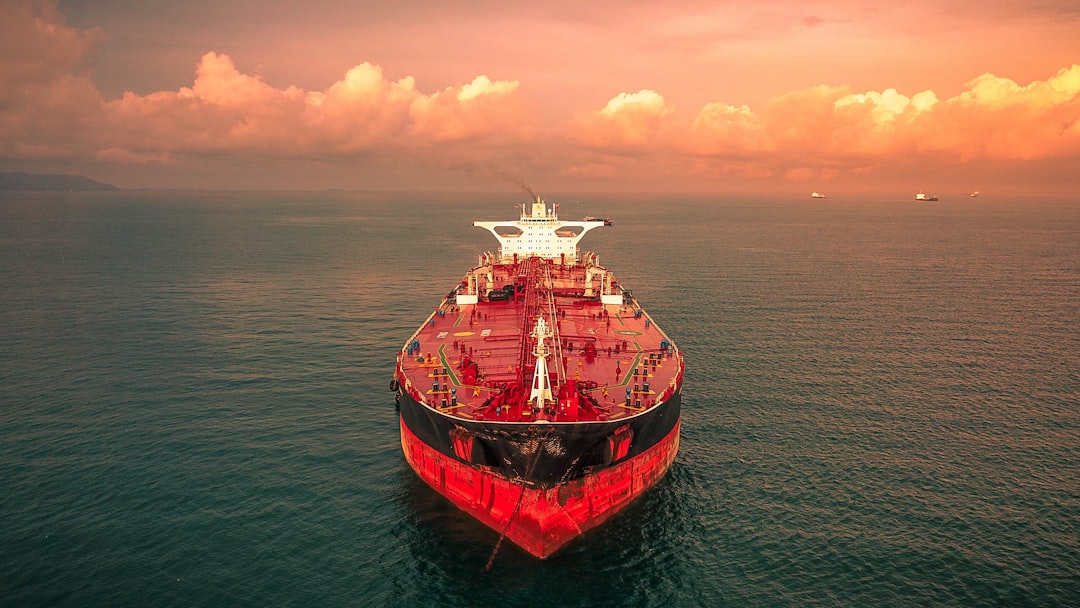
The geopolitical landscape shifted dramatically on Tuesday as the United States and Iran signed a landmark memorandum of understanding (MoU) to end active hostilities and restore maritime security. This historic US-Iran peace agreement 2026 marks the formal reopening of the Strait of Hormuz, a vital artery for global energy supplies. High-level delegations met in Geneva to finalize terms that promise to stabilize international oil markets and reduce military friction in the Persian Gulf. In this report, you will learn about the specific terms of the de-escalation, the timeline for the reopening of shipping lanes, and the projected impact on the global economy.
- Immediate cessation of all military skirmishes in the Persian Gulf and Gulf of Oman.
- The phased reopening of the Strait of Hormuz to commercial traffic starting within 72 hours.
- Establishment of a joint maritime safety commission to prevent future naval confrontations.
How does the 2026 US-Iran understanding change regional security?
The agreement follows months of intensive back-channel diplomacy facilitated by neutral intermediaries. For the past year, shadow conflicts and tanker seizures had pushed insurance premiums for shipping to record highs. This new understanding requires both nations to withdraw heavy naval assets from contested waters. Furthermore, it establishes a direct communication hotline between Washington and Tehran to manage potential incidents in real-time.
Security analysts suggest this move represents a pragmatist shift in both capitals. Domestic economic pressures in Iran and a desire for regional pivot in the US drove the negotiations. The memorandum does not resolve all ideological differences but focuses strictly on maritime stability and conflict termination. This narrow focus allowed negotiators to bypass long-standing nuclear and political deadlocks that previously stalled talks.
“This memorandum is a necessary pivot toward global economic stability and a departure from the brinkmanship of the past decade,” stated a senior diplomatic source involved in the Geneva talks.
What are the economic implications for energy markets?
Global energy markets reacted instantly to the news, with Brent crude prices dropping significantly during early trading. The Strait of Hormuz is the world’s most important oil transit point, carrying nearly 20% of global petroleum liquids. By removing the threat of blockade, the agreement lowers the “risk premium” that has burdened consumers for years. Economists predict that the stabilization of shipping routes will lead to lower fuel prices across North America and Europe by the next quarter.
Shipping companies have already begun rerouting vessels toward the Persian Gulf. The reopening of the strait is expected to clear a backlog of millions of barrels of crude oil. According to the International Energy Agency, maintaining secure maritime corridors is essential for long-term global energy resilience. The 2026 agreement provides the first concrete framework for such security in over a decade.
How will the phased reopening of the Strait of Hormuz work?
The reopening process involves a three-stage implementation plan designed to ensure safety. First, mine-clearing operations will commence in specific corridors to guarantee safe passage for large tankers. Second, both nations will pull back their respective fast-attack craft and drone surveillance units. Finally, international observers will verify that commercial vessels can pass without harassment or boarding by military forces.
Commercial shipping lines must still adhere to updated safety protocols during the transition period. The joint maritime safety commission will provide daily updates to the International Maritime Organization (IMO). This transparency aims to restore the confidence of private insurers who had previously designated the region a high-risk zone. The involvement of regional partners like Oman and Qatar will provide additional layers of local oversight.
What does this mean for diplomatic relations in the Middle East?
While the MoU focuses on the war’s end, the broader implications for the Middle East are profound. Regional powers are now re-evaluating their defence postures in light of the US-Iran detente. Saudi Arabia and the United Arab Emirates have expressed cautious optimism regarding the de-escalation of naval tensions. The agreement could pave the way for a broader regional security architecture that relies less on external military intervention.
However, some analysts warn that the peace is fragile. The memorandum is a non-binding understanding rather than a formal treaty. Its success depends entirely on the continued political will of the current administrations in both countries. If either side perceives a violation of the maritime protocols, the agreement could quickly dissolve. Therefore, the next six months are critical for building the trust necessary to sustain this peace.
What are the next steps for international trade?
Logistics firms are preparing for a surge in trade volume as the Persian Gulf becomes accessible once more. The reopening is not just about oil; it also affects the transit of liquefied natural gas (LNG) and containerized goods. Ports in the region expect a 15% increase in traffic by the end of 2026. This influx of trade will likely stimulate economic growth in the surrounding coastal nations.
Technological integration will play a major role in maintaining the peace. New satellite monitoring systems and AI-driven vessel tracking will be deployed to monitor the strait. These tools will provide an objective record of maritime movements to prevent false accusations of aggression. By leveraging technology, the joint commission hopes to automate much of the conflict-avoidance process.
The US-Iran peace agreement 2026 offers a rare moment of diplomatic success in a volatile era. As the first tankers prepare to move through the cleared corridors, the focus shifts to long-term compliance. Businesses and consumers alike should monitor the weekly reports from the maritime commission for updates on transit safety. This agreement proves that even the most entrenched conflicts can find a path to resolution when economic interests and diplomatic efforts align.


