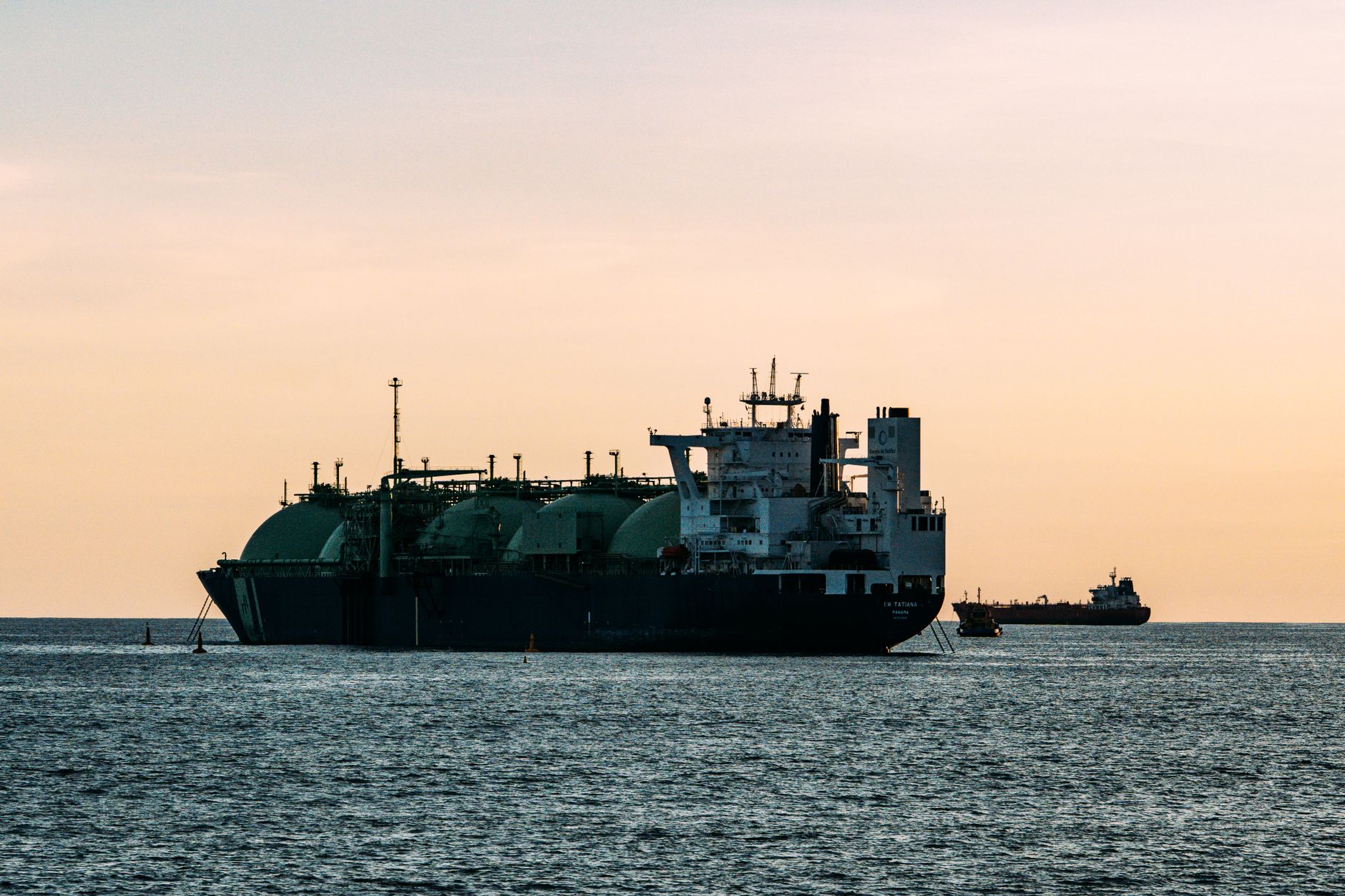
Iran and Oman are finalizing a critical Strait of Hormuz maritime security agreement to manage the strategic waterway. This diplomatic breakthrough comes amid intensifying ship attacks and a six-month conflict between Iran and the United States. Readers will learn how this bilateral coordination aims to secure global energy corridors and prevent further military escalation.
- Iran and Oman have agreed on transit routes to resolve a major diplomatic bottleneck.
- The deal aims to secure the Strait of Hormuz amid rising commercial shipping attacks.
- This bilateral framework could help end the six-month conflict between Iran and the United States.
- Global energy markets remain highly sensitive to maritime stability in this vital corridor.
Why is the Strait of Hormuz critical for global trade?
The Strait of Hormuz is the most vital oil transit channel in the world. It connects Middle Eastern petroleum producers directly with key global markets.
Recently, escalating military tensions have threatened this narrow waterway. Consequently, international shipping operations face unprecedented safety risks and soaring insurance costs.
A disruption here immediately impacts global energy supplies. Therefore, establishing clear transit rules is essential for international economic stability.
How does the new agreement address maritime transit routes?
For months, disputes over vessel routing remained a major obstacle to peace. However, bilateral talks have finally produced a workable compromise between Muscat and Tehran.
Under the proposed framework, both nations will coordinate traffic management. This joint effort aims to minimize accidental military encounters in high-traffic zones.
Furthermore, the deal establishes designated safe corridors for commercial vessels. These defined pathways will help separate civilian traffic from active naval operations.
Oman has played a crucial mediating role throughout this process. Their diplomatic efforts have successfully bridged the gap between competing regional security priorities.
How will this pact affect commercial shipping operators?
Commercial fleets require absolute operational predictability to manage global supply chains. Currently, high-risk insurance premiums place an immense financial burden on international shipping lines.
If implemented successfully, this agreement should lead to a reduction in these insurance rates. Consequently, consumers worldwide could benefit from lower transport costs for imported goods.
Furthermore, clear transit protocols will reduce the likelihood of cargo seizures. Shipping companies will finally have reliable guidelines to navigate these contested waters safely.
What does verified data show about shipping vulnerabilities?
Historically, even minor disruptions in the strait trigger immediate global price spikes. Commercial vessels require absolute certainty when navigating these restricted waters.
According to maritime tracking data, hundreds of tankers transit the region weekly. Many operators have recently rerouted ships around Africa to avoid regional danger zones.
However, rerouting adds significant time and fuel expenses for shipping companies. This reality highlights why a localized security pact is so urgently needed.
Industry analysts emphasize that diplomatic solutions are far more effective than military escorts. Security data from the U.S. Energy Information Administration confirms this. Indeed, this corridor remains irreplaceable for global energy distribution.
Therefore, a formalized treaty provides the legal predictability that commercial fleets desperately require.
How have recent security incidents influenced these negotiations?
In recent quarters, maritime attacks on commercial vessels have escalated dramatically. These incidents have disrupted global supply chains and forced international intervention.
Consequently, both regional and global powers have demanded immediate protective measures. This collective pressure accelerated the diplomatic talks between Muscat and Tehran.
By addressing these security vulnerabilities directly, the draft treaty targets the root causes of regional friction.
What are the next steps for implementing the transit agreement?
Technical teams from both nations must first finalize the exact coordinates of the new shipping lanes. This process requires precise nautical mapping and shared intelligence.
Following this phase, both governments will formally sign the treaty. They will then present the plan to international maritime organizations for official recognition.
Ultimately, clear communication with global shipping alliances will determine how quickly the new routes are adopted.
What are the strategic implications for international relations?
This bilateral progress could pave the way for broader diplomatic discussions. Specifically, it offers a realistic off-ramp for the ongoing conflict between Washington and Tehran.
Additionally, neighbouring Gulf states are watching these developments with cautious optimism. Successful implementation could inspire similar cooperative maritime agreements across the region.
Nevertheless, challenges remain regarding how third-party nations will respect these new rules. International naval coalitions must coordinate with local authorities to prevent operational friction.
Ultimately, the success of this initiative depends on sustained political will from both signatories.
As negotiations enter their final stages, global maritime operators are preparing for potential operational changes. Clear communication regarding new transit protocols will be vital for a smooth transition.
By prioritizing diplomacy over confrontation, Iran and Oman are establishing a new precedent for regional crisis management. This cooperative framework offers a rare glimmer of hope for enduring maritime stability.