

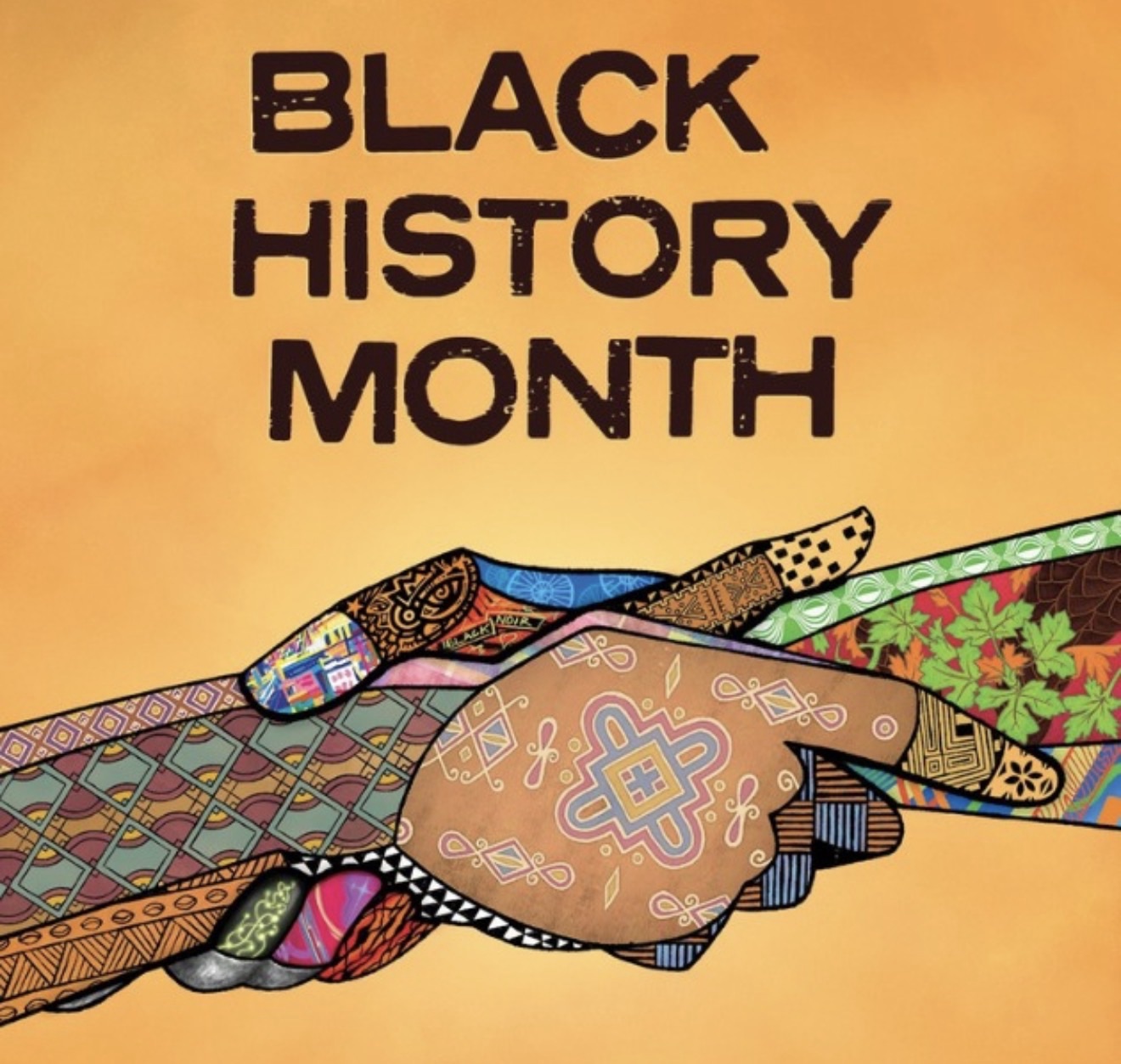

Every February, Black History Month invites us to pause—not just to look back, but to look around us and forward as well. It is a time set aside to honour stories that were too often ignored, contributions that went uncredited, and voices that were deliberately silenced. But beyond dates and displays, Black History Month matters because it reminds us of our shared responsibility to remember, learn, and do better.
Black history is not a side note in the story of Canada or the world. It is woven into the building of communities, economies, arts, education, science, and social movements. From early Black settlers and abolitionists to educators, nurses, entrepreneurs, activists, and artists, Black people have shaped the society we live in today—often while facing barriers that made those contributions harder and heavier to carry.
Celebrating Black History Month is important because history shapes identity. When Black children see themselves reflected in stories of leadership, innovation, and resilience, it strengthens their sense of belonging and possibility. It tells them: You are part of this story. You always have been. At the same time, it offers non-Black communities an opportunity to understand experiences beyond their own and to appreciate perspectives that deepen empathy and connection.
Supporting Black History Month also means acknowledging that history is not just in the past. The impacts of slavery, colonialism, segregation, and systemic racism continue to influence education, healthcare, housing, and employment today. Taking time to learn about Black history helps us better understand present-day inequalities—and challenges us to be more intentional in addressing them.
This month is not about guilt or blame; it is about truth and growth. It encourages honest conversations about where we have come from and where we want to go. It creates space for listening—especially to stories that may be uncomfortable but are necessary for progress. Real inclusion cannot exist without understanding, and understanding begins with education.
Celebration is equally important. Black history is not only a history of struggle; it is also a history of creativity, joy, faith, culture, and community strength. Music, fashion, language, food, storytelling, and traditions have influenced global culture in powerful ways. Honouring these contributions affirms that Black culture is not something to be borrowed or overlooked, but respected and valued.
Supporting Black History Month can be simple and meaningful: attending local events, reading Black-authored books, supporting Black-owned businesses, listening to lived experiences, and having intentional conversations at home, in schools, and in workplaces. These actions, though small on their own, collectively create awareness and lasting change.
Ultimately, Black History Month matters because it reminds us that history belongs to all of us. When we honour Black history, we strengthen our collective story—one that is richer, more honest, and more inclusive. And when we carry those lessons beyond February, we move closer to a society where everyone is seen, heard, and celebrated.